
If clicks and traffic are now vanity metrics, what should replace them on the monthly reporting dashboard? How do you explain ‘cultural salience’ to a CFO who only cares about ROI?
“Clicks were always a comforting lie,” Jono says. “Rankings fragmented, attribution was guesswork, and we ignored the messy reality of brand, price, seasonality and human behaviour.” Simply replacing traffic with “AI visibility” is, in his view, the same square peg in a different hole. Instead, he proposes measuring mental and physical availability: brand search growth, direct traffic share, win rate, price resilience and share of category conversation. To a CFO, cultural salience may sound fluffy, but it translates directly into future cash flow and lower acquisition costs.
In the old world, we optimised a page and saw rankings rise. If AI judges our brand rather than our documents, how long is the feedback loop now? How do we know if our optimisation is actually working?
“The feedback loop was never as tidy as ‘rank up, revenue up’. It only looked that way because we ignored everything else in the system.” If AI agents increasingly synthesise information from reputation, product quality and market narrative, then optimisation outcomes reflect broader brand cycles rather than isolated content tweaks. You know it is working when sentiment improves, branded demand grows and your presence in real-world comparisons and conversations increases.
Attribution models are already broken. If a user gets their answer from an AI and never clicks through, does the concept of monetary value in SEO need to shift from conversion to brand impression? And how would you measure that?
“Last-click attribution was already a polite lie.” When AI collapses the journey and filters the options, the value shifts from “did they click?” to “were we credibly in the frame?” That is about consideration and preference, not impressions alone. Jono suggests tracking changes in branded search, direct demand, assisted conversions and close rates. If sales efficiency improves as awareness rises, that is measurable commercial impact.
If AI is judging us ‘across all of reality’, does that mean the traditional SEO audit is no longer helpful? Should we be auditing our Wikipedia pages and business reviews instead of our meta tags?
“Technical SEO doesn’t stop mattering just because AI can read Reddit.” A slow, incoherent or ambiguous website remains harder to trust and recommend. However, the audit must expand beyond tags and templates. Wikipedia entries, reviews, third-party descriptions and community sentiment are all part of the same entity graph. The task is no longer auditing pages in isolation, but assessing the consistency and credibility of the entire digital footprint.
You call AI rank trackers ‘futile’. Is the industry currently selling snake oil to SEOs who are desperate to measure the unmeasurable? If we can’t track it, should we stop trying?
“Recreating rank tracking for prompts assumes prompts behave like queries. They do not.” Prompts are contextual, personalised and often artificially constructed. A dashboard showing that you are “mentioned” in a contrived buying journey may feel reassuring, but it is comfort, not strategy. Measurement itself is not futile, but focusing on outputs before securing coherent positioning, strong reputation and a solid product is backwards.
If we stop tracking rankings, how do we benchmark ourselves against competitors?
Rankings were always unstable, fragmented by device, location and user history. Instead, Jono advises looking at share of market, growth in branded demand relative to the category, comparative sentiment and win-loss data from sales. Benchmark brand strength and preference, not just positions in blue links.
Is ‘coherence’ the new ‘relevance’? How does a brand audit its own coherence?
“Relevance is about matching a query. Coherence is about making sense everywhere.” AI systems are pattern-matching engines; contradictions and vague positioning signal risk. Brands should examine whether their mission, product claims, reviews and third-party coverage tell a consistent story, and whether customers can articulate their value unaided. If the narrative holds together under scrutiny, the brand is coherent. If not, no amount of optimisation will fix it.
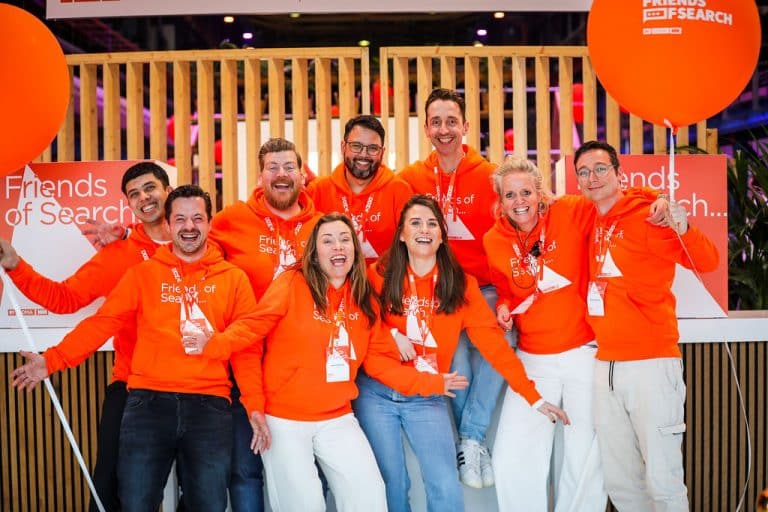
Jono Alderson will present “Measuring What Matters: Clicks Don’t Count” at Friends of Search on 12 March 2026 in Amsterdam, offering a critical perspective on how we define and measure success in the evolving search landscape.

Eduard Blacquière
Ook interessant
Vacature: Lid DDMA-werkgroep Friends of Search (SEA/PPC-specialist)
Vacature: Lid DDMA-werkgroep Friends of Search (SEO-specialist)